

Solutions
Energy and ESG Optimisation
Measure, control and report every kWh,on any device, in any building
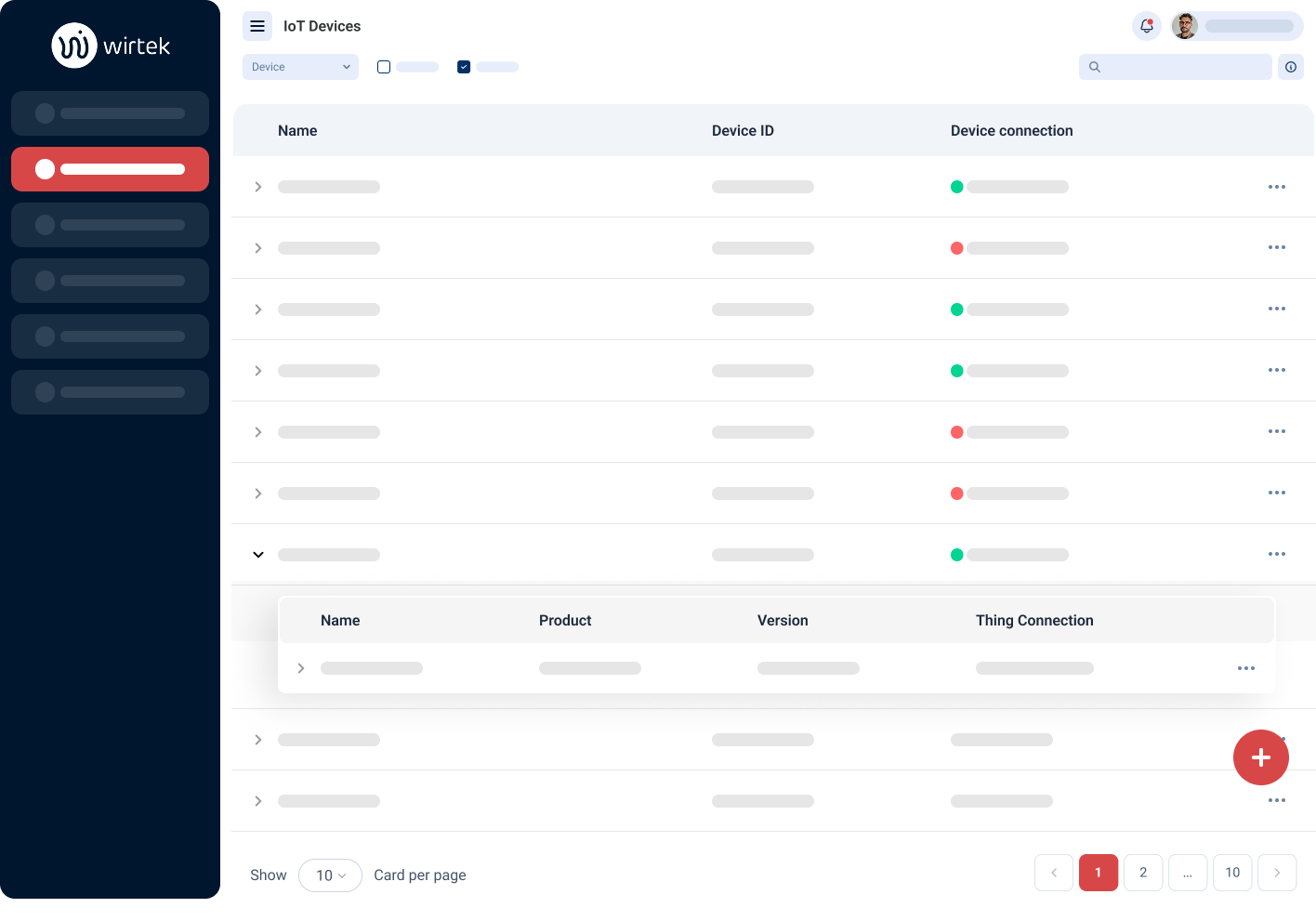
Device-level measurement and control
Measure and control individual appliances and equipment directly. Each unit becomes traceable and switchable in real time, so inefficiencies are visible and actionable immediately, without changing existing infrastructure.
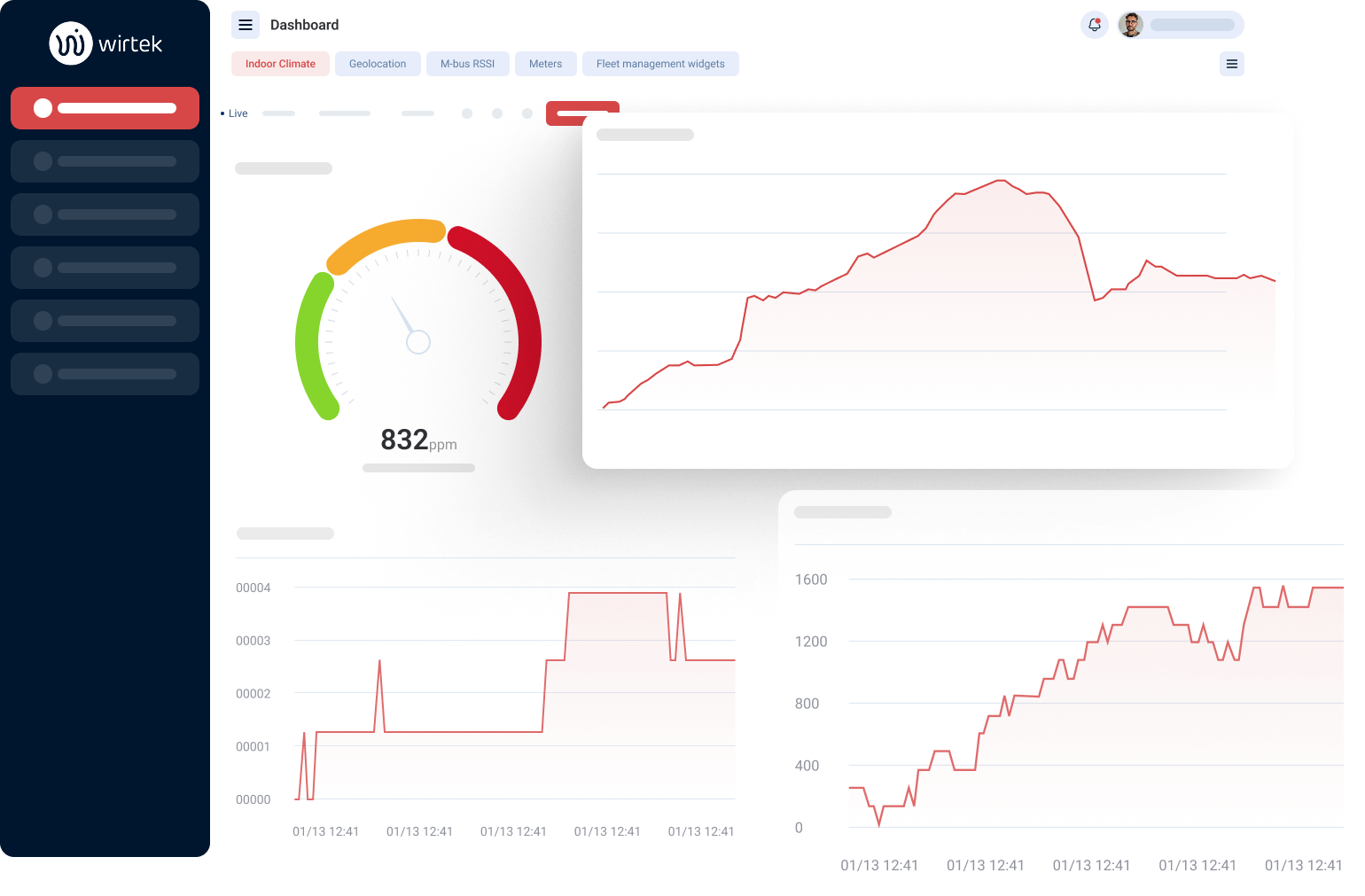
Site-wide energy visibility
Metering across zones and equipment, plus data collection from multiple vendors and CTS or BMS systems, brought into one consistent structure. One model instead of a dozen vendor portals.
Equipment-level intelligence
We collect and standardise telemetry from forklifts, chargers, refrigeration, HVAC and any standard electrical device. Whether the data arrives through CAN-bus integration, metering or smart plugs, everything becomes visible, measurable and comparable in one system.

Real-time monitoring and insights
Continuous visibility into energy use, cost and emissions through dashboards, alerts and historical data. Anomalies get caught early, usage patterns become clear, and corrective action happens faster.
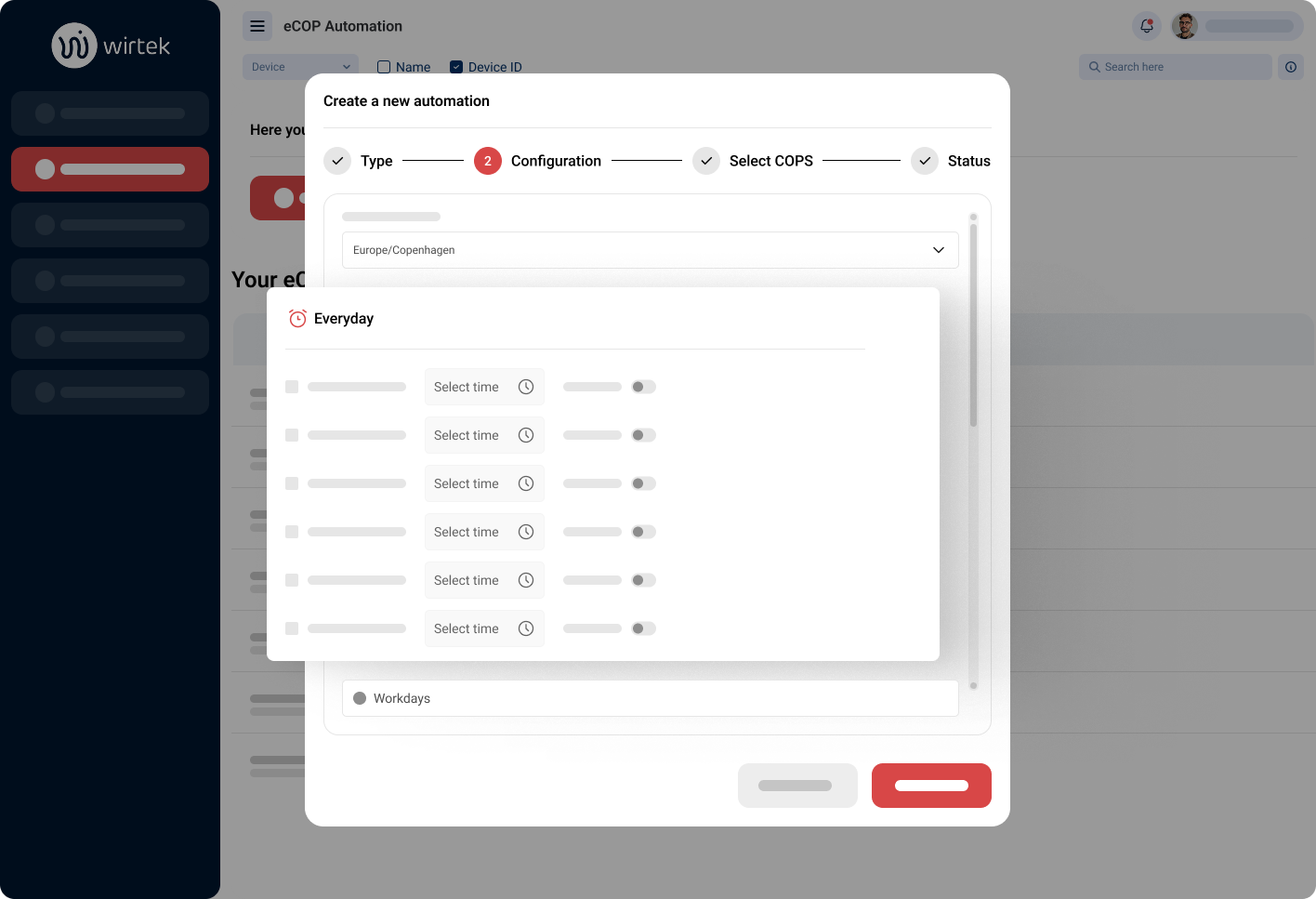
Elimination of energy waste
Non-critical equipment shuts down automatically when it is not needed, removing standby losses and excess runtime. On refrigeration and auxiliary loads this typically delivers 25–30% savings with no operational impact.
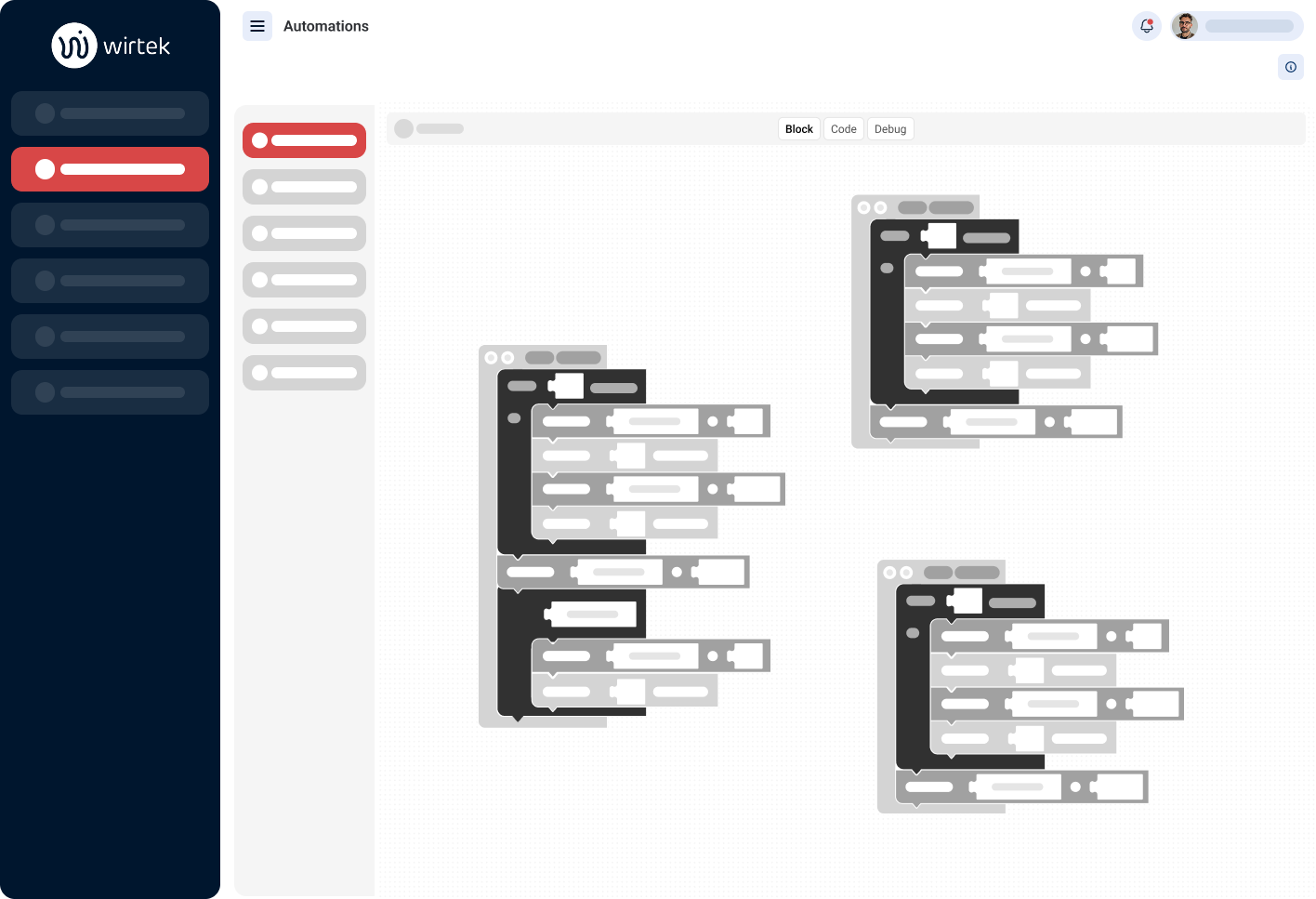
Automated optimisation based on real conditions
Consumption is continuously optimised against schedules, electricity prices and CO₂ intensity, and shifted away from peak-cost and high-emission periods. Load shifting, smarter HVAC scheduling, better fleet charging and lower peak demand, consistently across every site, without manual intervention.
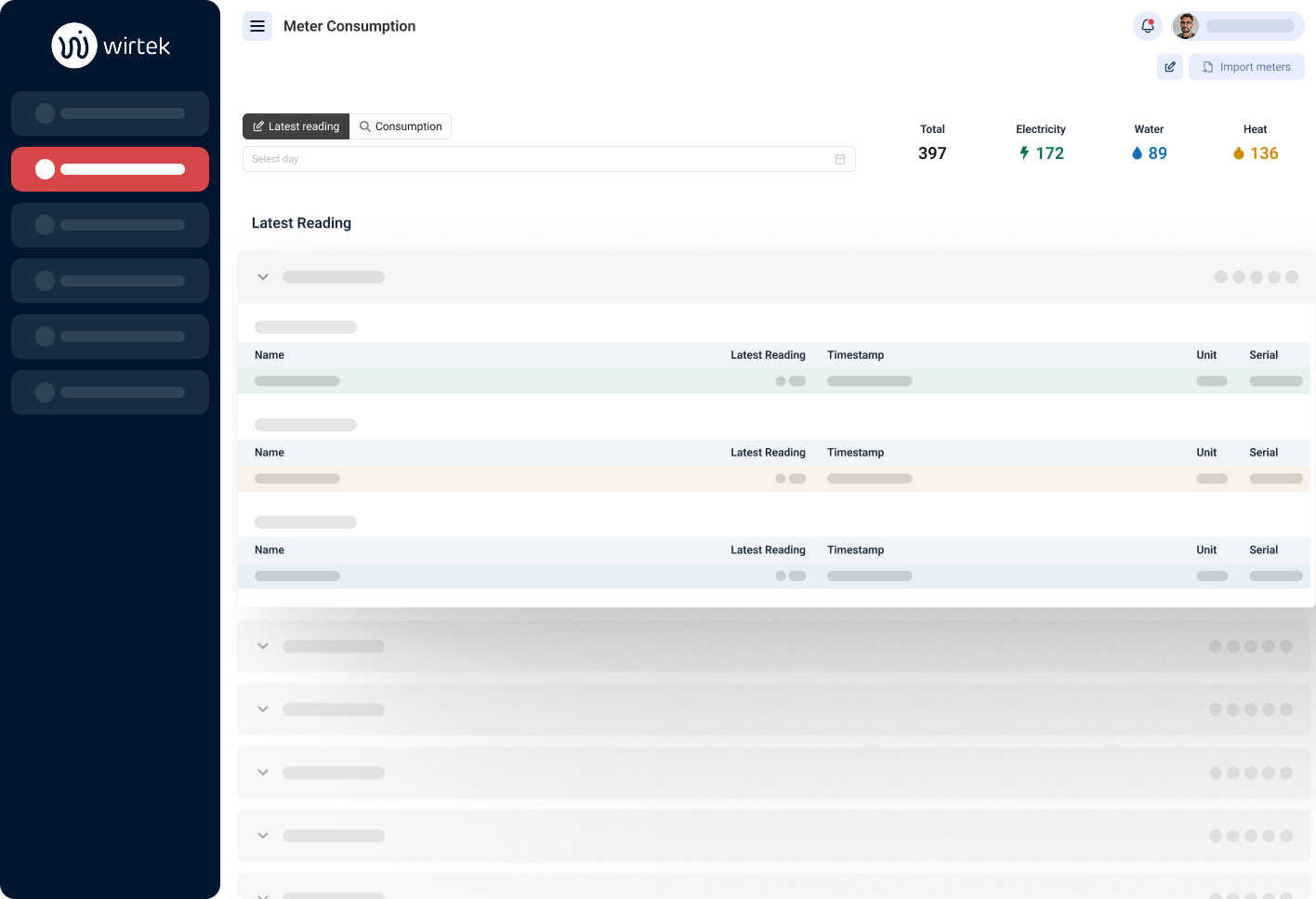
Meter consumption and data access
Full visibility into electricity, water and heat across all meters, with flexible analysis and easy extraction. Track usage over time, compare locations, and export structured data for reporting, audits and deeper analysis.
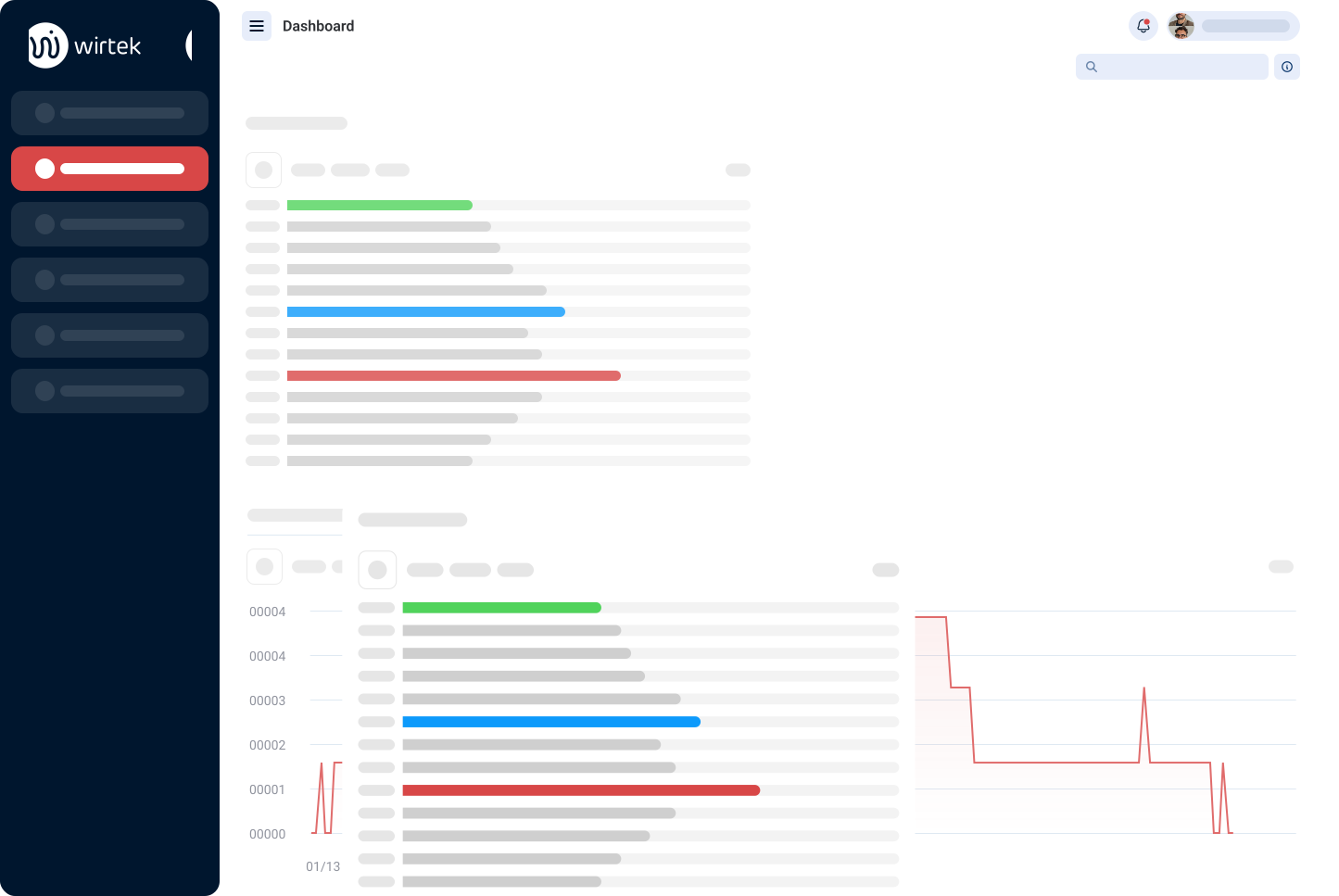
Automated ESG and compliance reporting
CO₂ calculations and audit-ready documentation generated from validated, standardised data across all sites. Consistent ESG, CSRD and EED reporting on a reliable, scalable foundation instead of a spreadsheet chain.
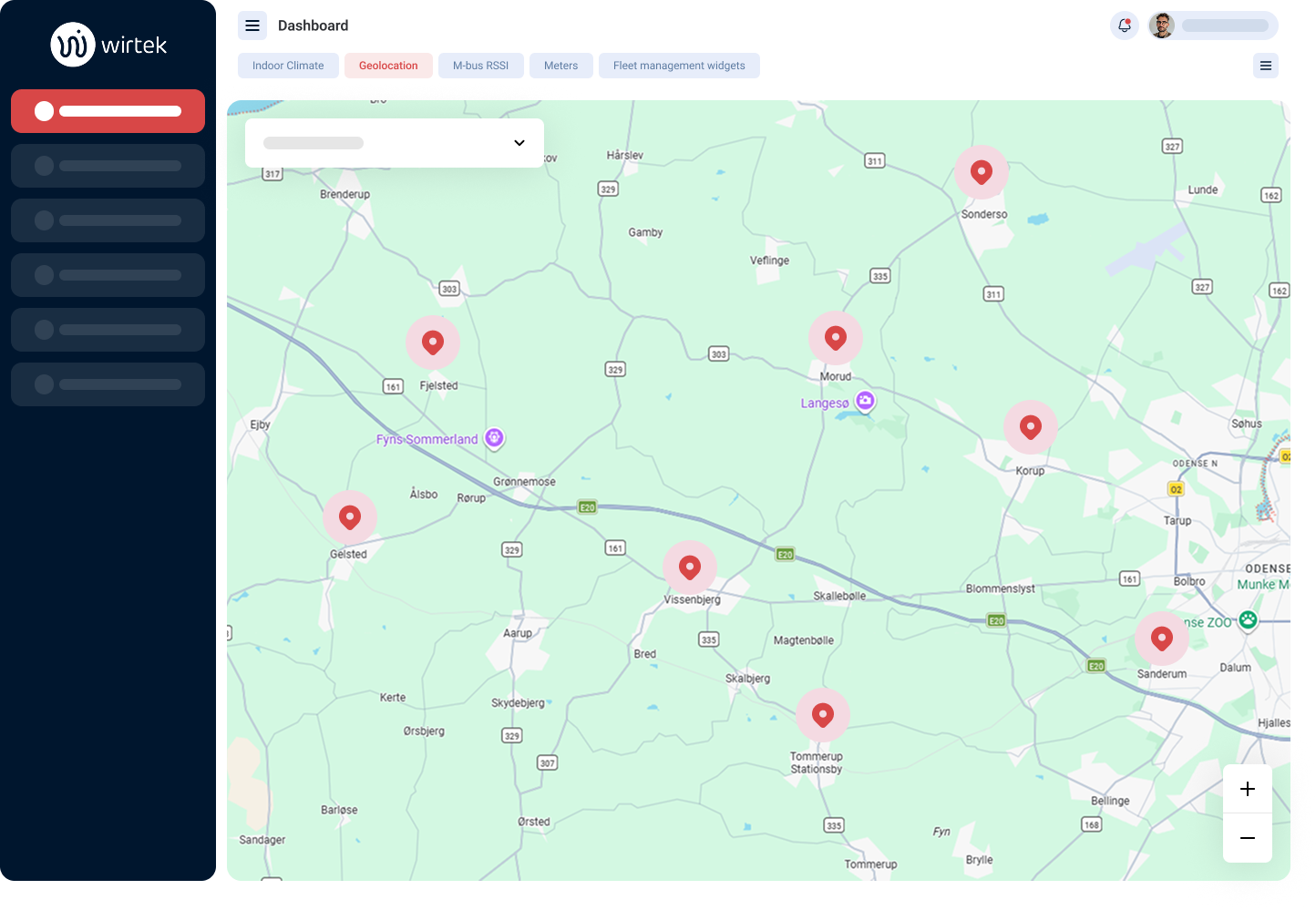
Scalable rollout across distributed sites
Deployment does not require electrical work where plug-level hardware is used, which makes large-scale rollout realistic. Automation rules and policies are applied centrally and consistently across every location.
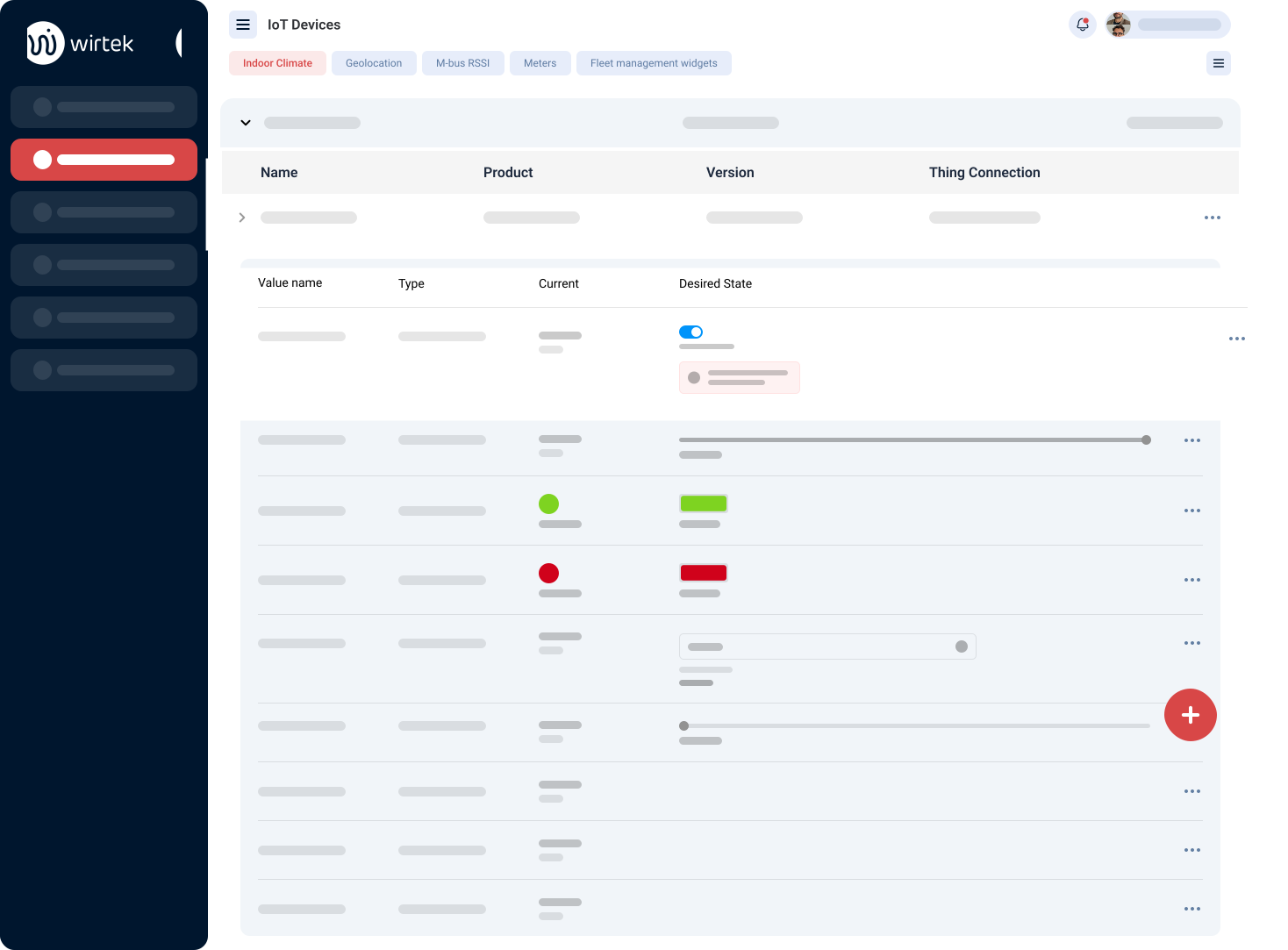
Visual energy feedback and customisation
Where the eCOP smart plug is used, LED indicators can be customised to show colours based on consumption, electricity price or CO₂ intensity, turning each device into a simple visual signal of performance.

Built for real operating environments
We deploy safely into live retail, warehouse and commercial operations, and respect operational constraints.

Engineered for imperfect realities
Mixed fleets, legacy equipment and fragmented data are the starting point, not a blocker. No replacement programme required.

Proven multi-site reliability
Our rollout model delivers stable deployments and consistent reporting across distributed portfolios.

Audit-ready ESG data
Our CO₂ and kWh documentation withstands internal ESG scrutiny and external audits.

Integration owned by us
CAN-bus integration, metering, gateway logic, CTS/BMS data and modelling are our responsibility, not yours.

Ongoing partnership
We support continuous optimisation and operations, not just the initial deployment.