

Solutions
Energy and ESG Optimisation
Measure, control and report every kWh,on any device, in any building
Why now?
Energy prices keep climbing and ESG rules keep tightening. Companies are expected to show real, verifiable reductions, not estimates.
At the same time, consumption data is scattered. Electricity, heating and water are measured through a mix of local meters, vendors and systems, across many sites, countries and technical setups. Understanding where costs arise, where waste sits and how similar locations compare becomes harder the more you grow.
Opportunity for you
Most organisations still run non-critical equipment 24/7. That is pure standby loss, and it is the fastest place to start.
With automated shutdowns, real-time monitoring and price, and CO₂-aware control, our clients unlock 25–30% savings within months on targeted loads ,while building the auditable Scope 2 foundation that CSRD, ESG and EED reporting now demand.
Solution at a glance
You start where the waste is most obvious and expand outwards: plug-level first, then equipment, zones, meters and whole sites.
Device-level measurement and control
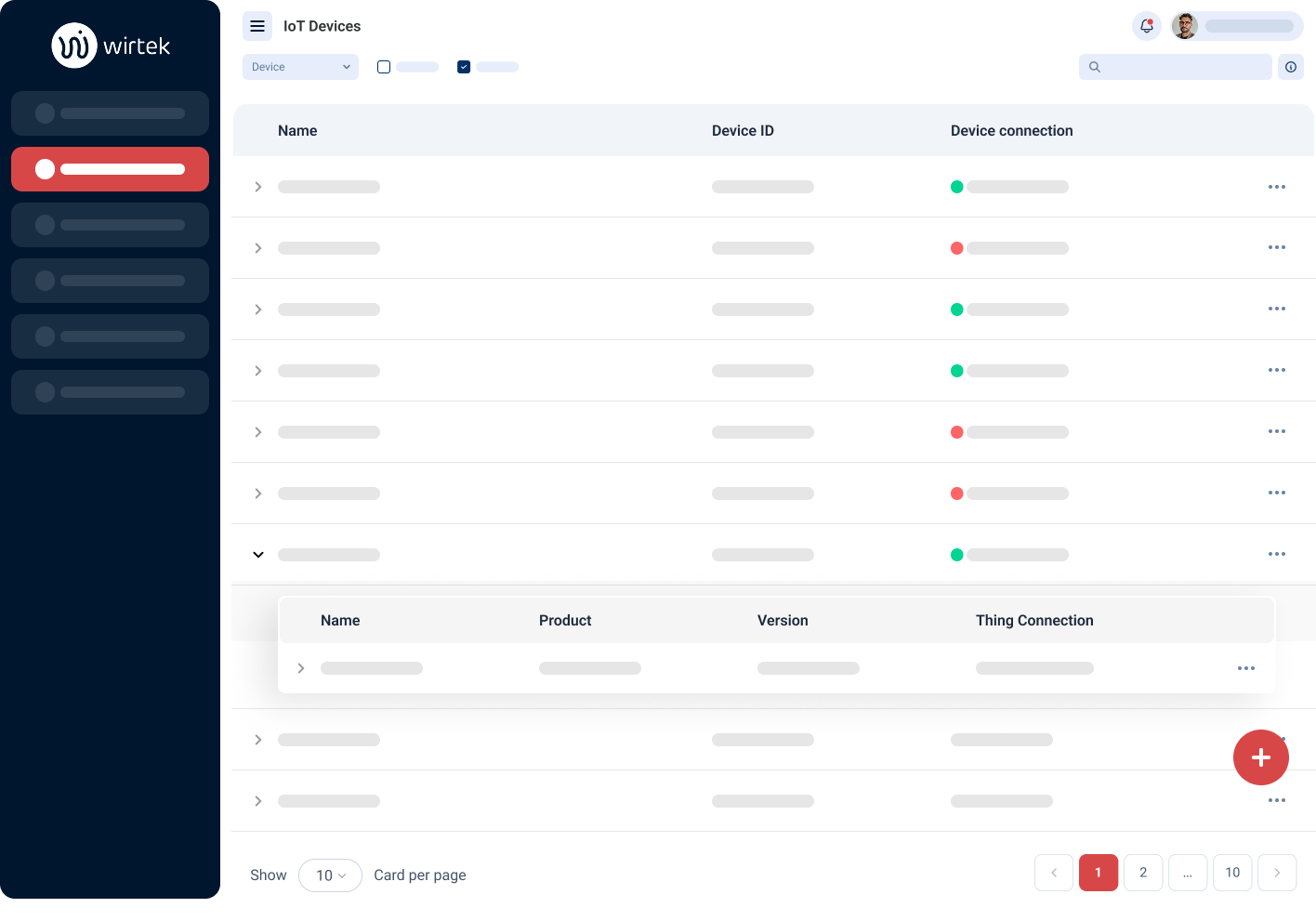
Measure and control individual appliances and equipment directly. Each unit becomes traceable and switchable in real time, so inefficiencies are visible and actionable immediately, without changing existing infrastructure.
Site-wide energy visibility
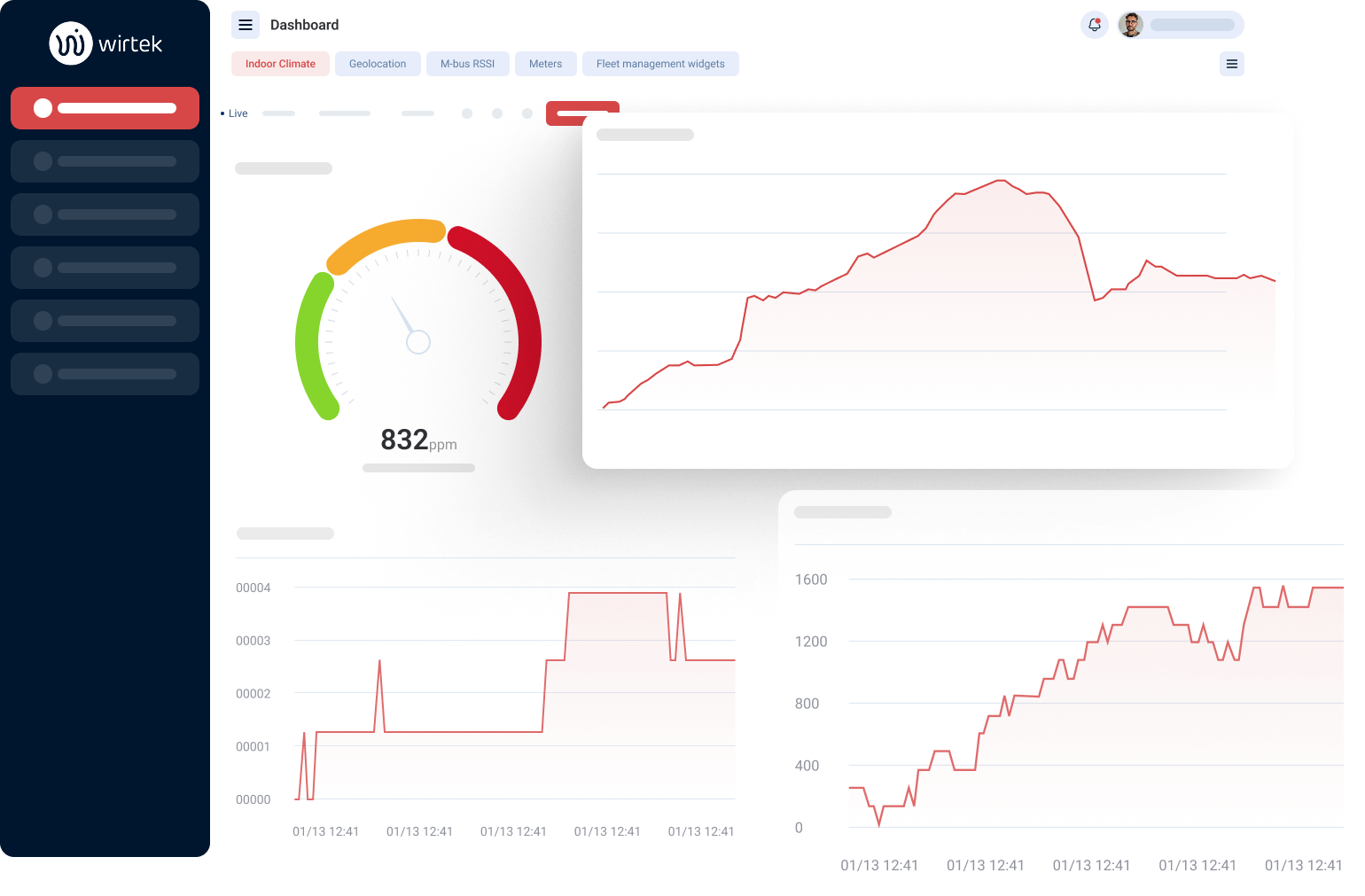
Metering across zones and equipment, plus data collection from multiple vendors and CTS or BMS systems, brought into one consistent structure. One model instead of a dozen vendor portals.
Equipment-level intelligence
We collect and standardise telemetry from forklifts, chargers, refrigeration, HVAC and any standard electrical device. Whether the data arrives through CAN-bus integration, metering or smart plugs, everything becomes visible, measurable and comparable in one system.
Real-time monitoring and insights
Continuous visibility into energy use, cost and emissions through dashboards, alerts and historical data. Anomalies get caught early, usage patterns become clear, and corrective action happens faster.
Elimination of energy waste
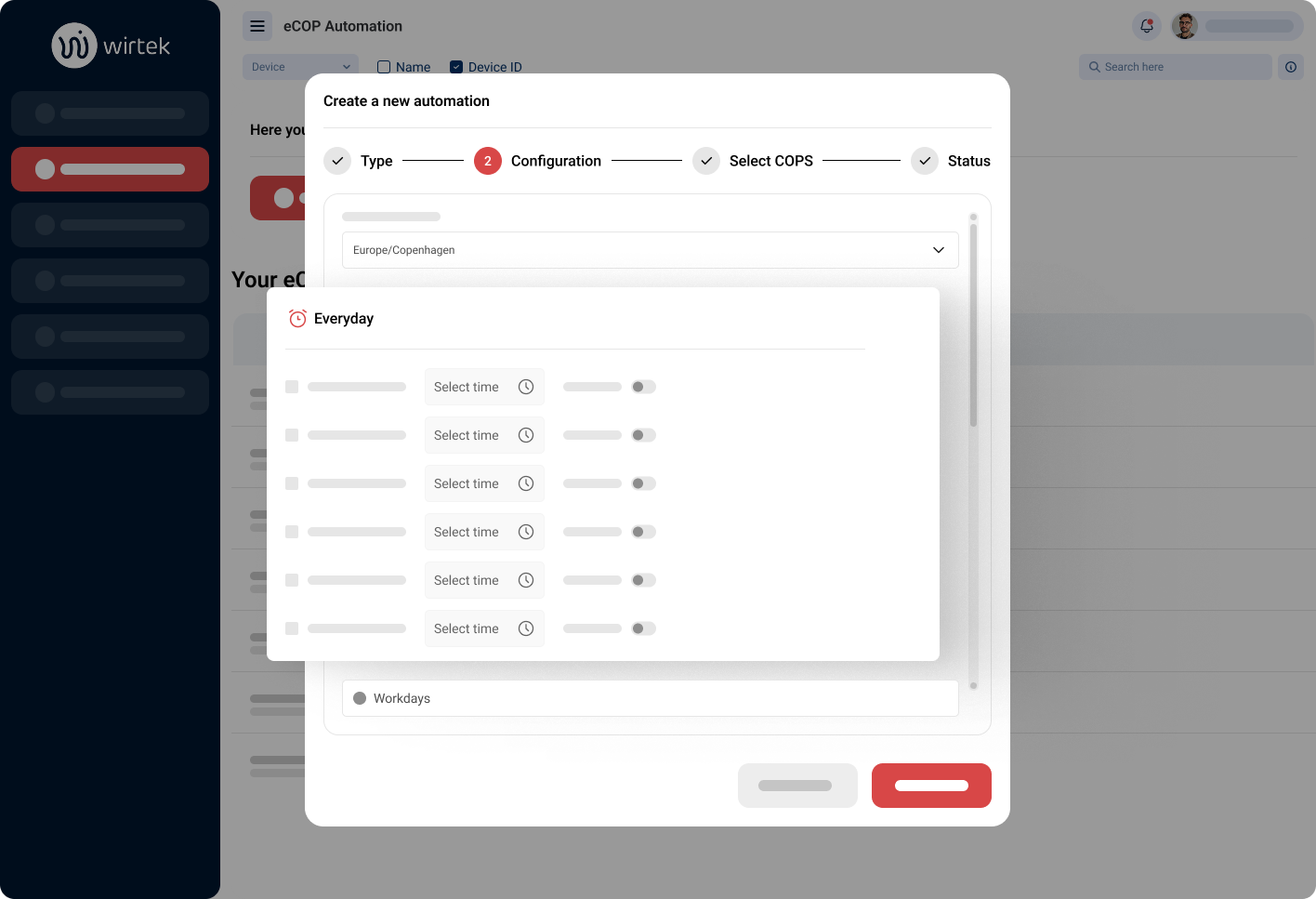
Non-critical equipment shuts down automatically when it is not needed, removing standby losses and excess runtime. On refrigeration and auxiliary loads this typically delivers 25–30% savings with no operational impact.
Automated optimisation based on real conditions
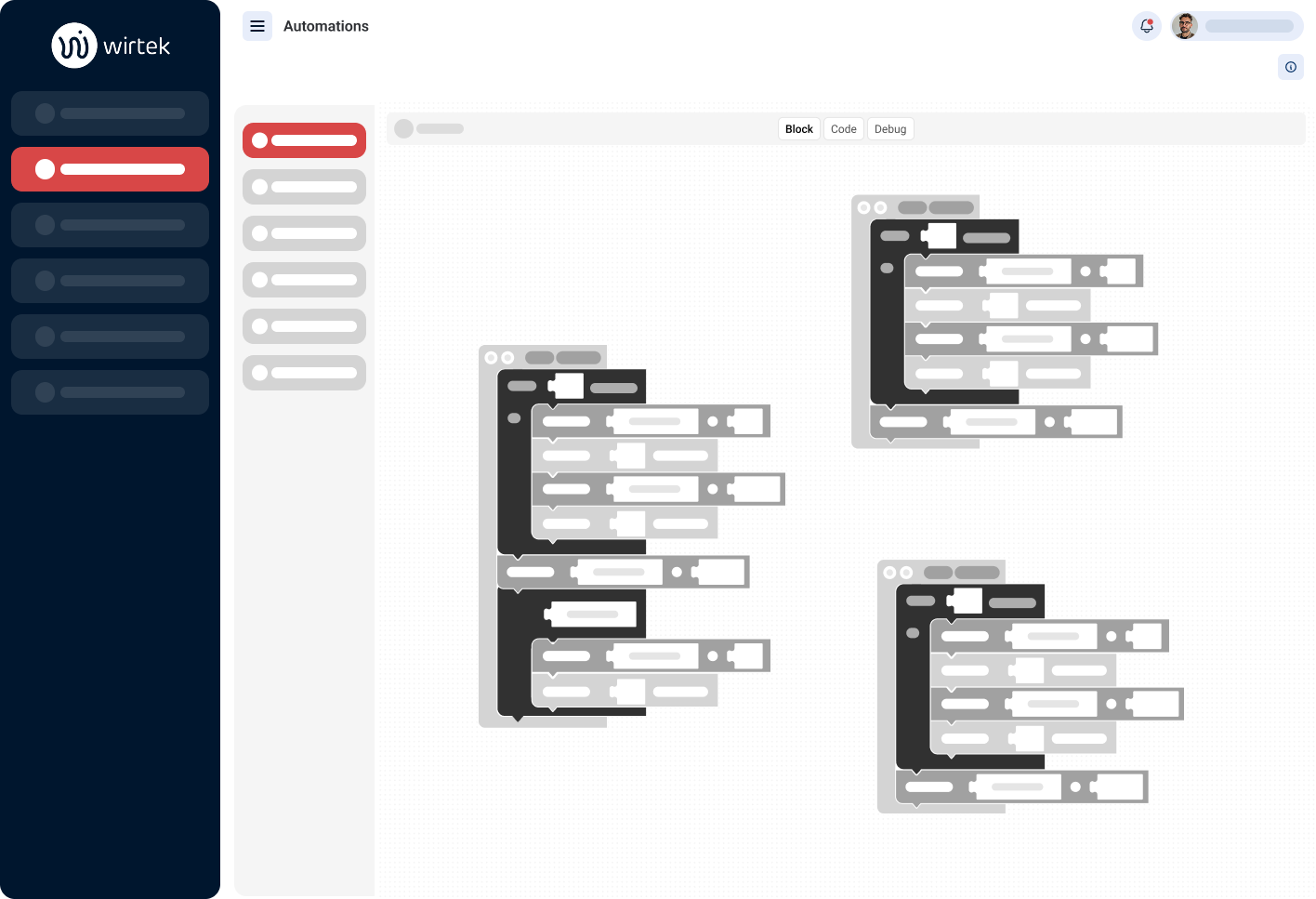
Consumption is continuously optimised against schedules, electricity prices and CO₂ intensity, and shifted away from peak-cost and high-emission periods. Load shifting, smarter HVAC scheduling, better fleet charging and lower peak demand, consistently across every site, without manual intervention.
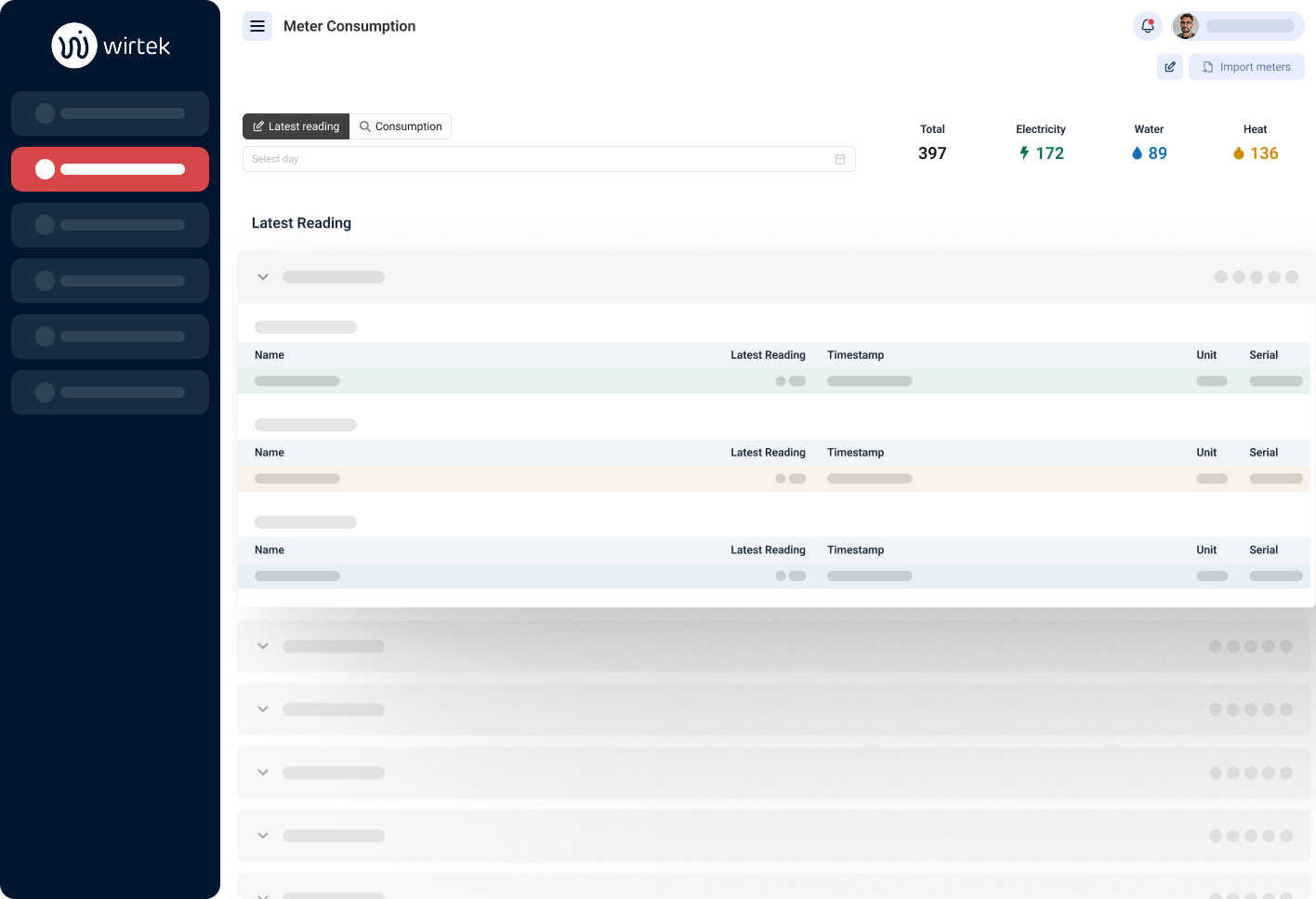
Meter consumption and data access
Full visibility into electricity, water and heat across all meters, with flexible analysis and easy extraction. Track usage over time, compare locations, and export structured data for reporting, audits and deeper analysis.
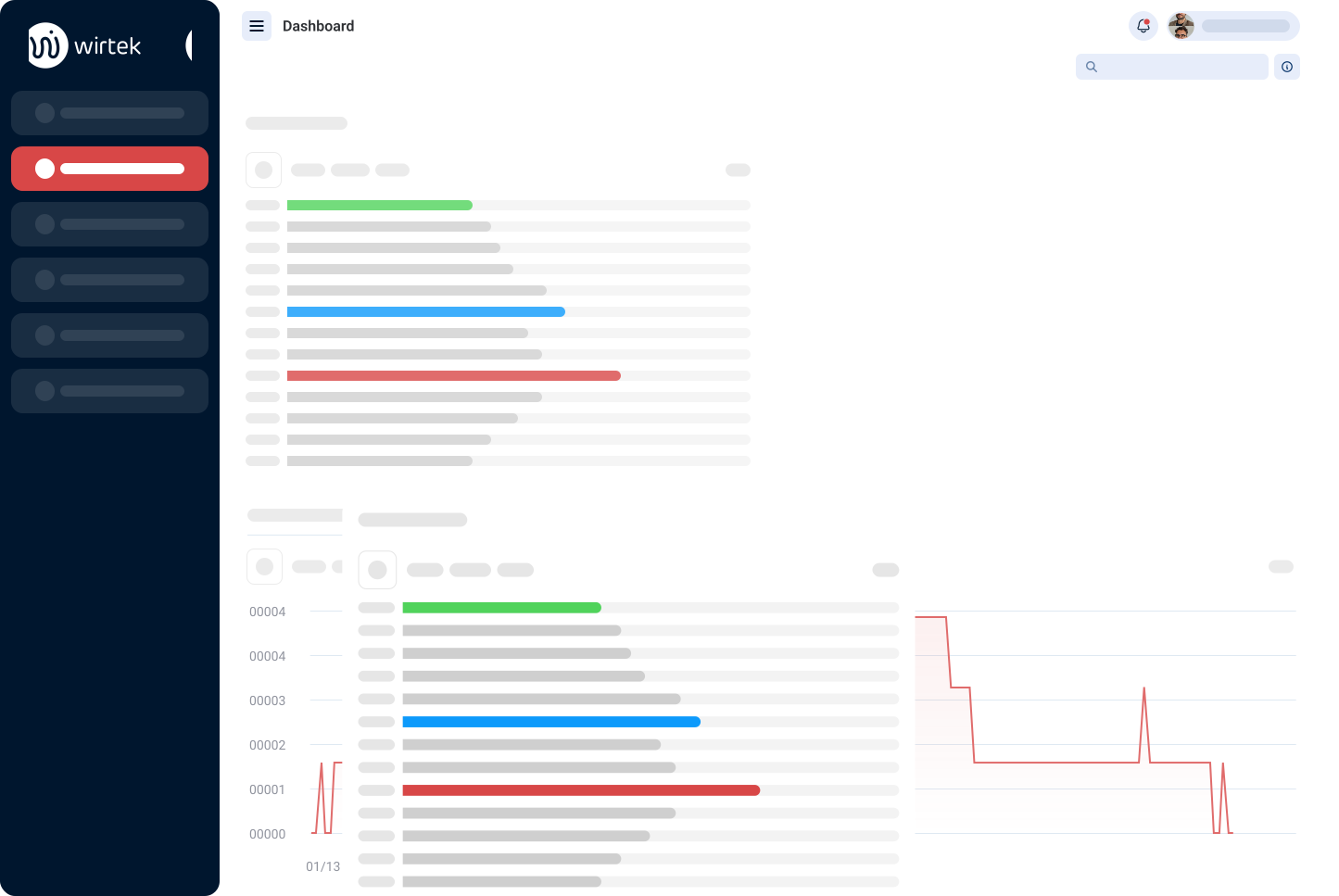
Automated ESG and compliance reporting
CO₂ calculations and audit-ready documentation generated from validated, standardised data across all sites. Consistent ESG, CSRD and EED reporting on a reliable, scalable foundation instead of a spreadsheet chain.
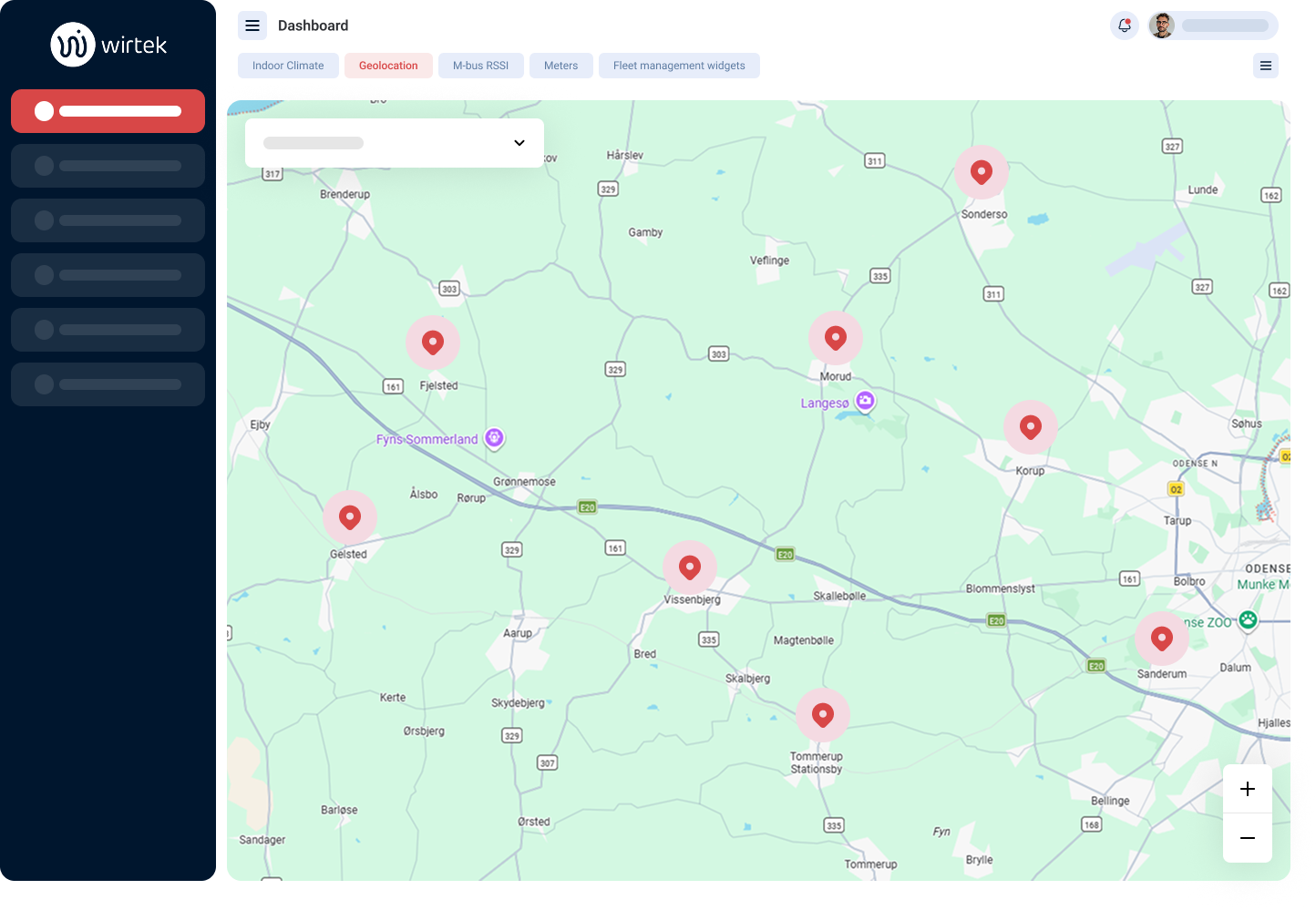
Scalable rollout across distributed sites
Deployment does not require electrical work where plug-level hardware is used, which makes large-scale rollout realistic. Automation rules and policies are applied centrally and consistently across every location.
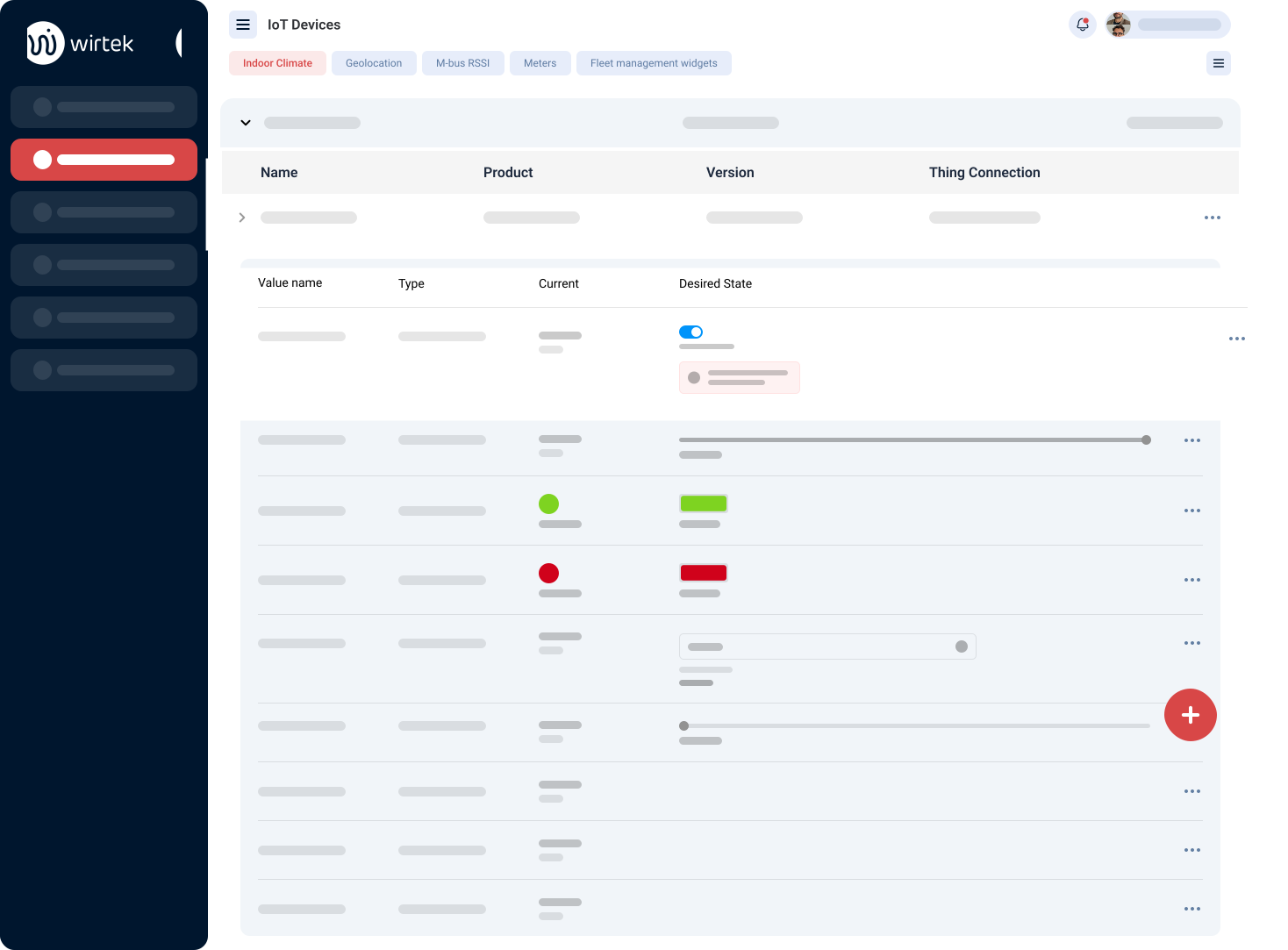
Visual energy feedback and customisation
Where the eCOP smart plug is used, LED indicators can be customised to show colours based on consumption, electricity price or CO₂ intensity, turning each device into a simple visual signal of performance.

Success case
Saving energy in retail stores
Smartplug Energy Optimisation by Wirtek have measured energy savings between 31,6% and 49,6% on refrigerators cooling down drinks.
A retail store has invested in 400 smart plugs in a first-step integration supplied to 20 large stores.
Investment is 75.168 EUR including 5 years of platform operations in the Wirtek IoT Suite.
Key results
-
35-year savings are 350 000 kWh or 32 tons of CO₂ emissions
-
ROI is between 0.5 to 1 year depending on the refrigerator type
Why companies choose Wirtek
Built for real operating environments
We deploy safely into live retail, warehouse and commercial operations, and respect operational constraints.
Engineered for imperfect realities
Mixed fleets, legacy equipment and fragmented data are the starting point, not a blocker. No replacement programme required.

Proven multi-site reliability
Our rollout model delivers stable deployments and consistent reporting across distributed portfolios.

Audit-ready ESG data
Our CO₂ and kWh documentation withstands internal ESG scrutiny and external audits.
Integration owned by us
CAN-bus integration, metering, gateway logic, CTS/BMS data and modelling are our responsibility, not yours.
Ongoing partnership
We support continuous optimisation and operations, not just the initial deployment.
Smart energy control: Wirtek vs typical solutions
Energy and ESG Optimisation by Wirtek
Typical smart plug / energy tools
Scope
Device-level control + multi-site portfolio energy optimization.
Device-level only (turn on/off, basic scheduling).
Integration model
Open platform integrating multiple IoT devices, meters, and external systems.
Closed ecosystems tied to specific hardware vendors.
Real-time control
Live monitoring and control of energy consumption across devices and sites.
Basic on/off control with limited real-time analytics.
Automation
Advanced automation based on rules, thresholds, anomalies, pricing signals, and usage patterns.
Simple timers or manual scheduling.
Scalability
Designed for multi-site, multi-device environments with central control.
Works well for homes or small setups, struggles at scale.
Integration with energy data
Combines device data with electricity prices, weather, and consumption data for smarter decisions.
Rarely integrates external data sources.
Customisation
Configurable device lights, dashboards, rules, and automation logic.
Fixed UI and limited flexibility.
Integration capability
Fully featured API: Enabling real-time seemless connection between your IoT devices and external systems.
Limited or closed APIs with strong vendor dependency and poor support for external data.
Scope
Energy and ESG Optimisation by Wirtek
Device-level control + multi-site portfolio energy optimization.
Typical smart plug / energy tools
Device-level only (turn on/off, basic scheduling).
Integration model
Energy and ESG Optimisation by Wirtek
Open platform integrating multiple IoT devices, meters, and external systems.
Typical smart plug / energy tools
Closed ecosystems tied to specific hardware vendors.
Real-time control
Energy and ESG Optimisation by Wirtek
Live monitoring and control of energy consumption across devices and sites.
Typical smart plug / energy tools
Basic on/off control with limited real-time analytics.
Automation
Energy and ESG Optimisation by Wirtek
Advanced automation based on rules, thresholds, anomalies, pricing signals, and usage patterns.
Typical smart plug / energy tools
Simple timers or manual scheduling.
Scalability
Energy and ESG Optimisation by Wirtek
Designed for multi-site, multi-device environments with central control.
Typical smart plug / energy tools
Works well for homes or small setups, struggles at scale.
Integration with energy data
Energy and ESG Optimisation by Wirtek
Combines device data with electricity prices, weather, and consumption data for smarter decisions.
Typical smart plug / energy tools
Rarely integrates external data sources.
Customisation
Energy and ESG Optimisation by Wirtek
Configurable device lights, dashboards, rules, and automation logic.
Typical smart plug / energy tools
Fixed UI and limited flexibility.
Integration capability
Energy and ESG Optimisation by Wirtek
Fully featured API: Enabling real-time seemless connection between your IoT devices and external systems.
Typical smart plug / energy tools
Limited or closed APIs with strong vendor dependency and poor support for external data.
Choose the hardware that fits the load
The platform is the constant. The hardware is a choice, and often a combination
eCOP smart plug
For anything on a standard power outlet: fridges, coolers, display cases, auxiliary equipment. Self-install Wi-Fi, configured automatically through the cloud. No electricians, no infrastructure work.
eCOP delivers precise measurement, secure connectivity and stable performance across thousands of sites, handles high loads, and supports firmware updates that keep the fleet secure.
Cloud IO gateway
For fixed and industrial loads: HVAC, chargers, sub-meters, machinery. Cloud IO combines real-time metering, secure connectivity and on-device control in one industrial-grade gateway, with multiple communication interfaces and tight cloud integration, so optimisation logic actually holds up in production.
If you want predictable energy savings and scalable control across locations, Cloud IO is the backbone that makes it possible.
Frequently asked questions
What problem does this solution actually solve?
Energy and ESG Optimisation gives you one view of energy use, equipment behaviour and CO₂ performance, from a single appliance up to an entire portfolio. Instead of fragmented tools and vendor-specific systems, you get one model for metering, telemetry, optimisation and automated ESG reporting.
What does the licence include?
The licence gives you access to the cloud platform where you monitor consumption, automate behaviours, set rules, receive alerts and export reporting data. It covers connectivity, data handling, dashboards and control features.
Can it integrate with our existing systems?
Yes. We provide standard APIs so you can feed consumption and optimisation data into your own dashboards, facility systems or reporting tools.
Is this just about forklifts and EV chargers?
No. Forklifts and chargers are only one part of the picture. The platform covers HVAC, zones, sub-meters and any standard electrical device through Smartplug. The point is whole-site visibility, not a single optimisation module.
Do I need technical skills to install it?
Plug-level hardware is plug-and-play: connect it to the network and onboarding covers the rest. Gateway and CAN-bus integrations are handled by us.
Can it work with my existing equipment and BMS/CTS systems?
Yes. Everything is vendor neutral. We integrate with existing meters, fleets, HVAC systems and CTS/BMS infrastructures so you are not replacing hardware or running parallel systems. You reuse what you already have.
What kind of optimisation can I actually expect?
Load shifting, better HVAC scheduling, reduced idle consumption, smarter fleet charging and lower peak demand. You get measurable savings driven by real data, not assumptions.
